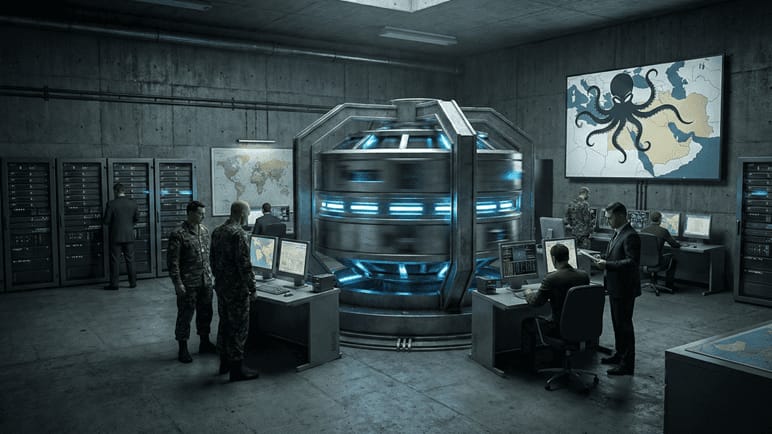
The Collision of Aesthetics
"Cyber-Biblical" sounds like a contradiction. The Bible is ancient, organic, pastoral. Cyberpunk is futuristic, synthetic, urban. That tension is the point.
The Three Pillars of our Art Style
1. The Glitch as Spirit
In standard fantasy, magic is sparkly dust. in Covenant Cards, magic is a "System Bypass." When a miracle happens, the world glitches.
- The Burning Bush: Depicted not just as fire, but as a region of pixels where the resolution is infinite. The bush burns because the graphics card of reality can't render God.
- Prophecy: Represented as localized data-streams entering the mind of the prophet.
2. Gold vs. Neon
We strictly color-coded the factions.
- The Covenant (Player): Uses Ancient Gold (#FFD700) and Cyber Cyan (#00FFFF). This combination suggests a blend of royalty and pure energy.
- The Empires (Enemy): Uses Glitch Red (#FF003C) and Void Black. It feels oppressive, heavy, and industrial.
3. Artifacts as Hardware
We reimagined famous biblical items as high-tech components.
- The Ark of the Covenant: It's a server. A glowing, hummming box containing the kernel of the universe.
- Aaron's Staff: A kinetic rod capable of initiating biological warfare scripts (plagues).
- David's Sling: A high-velocity projectile launcher.
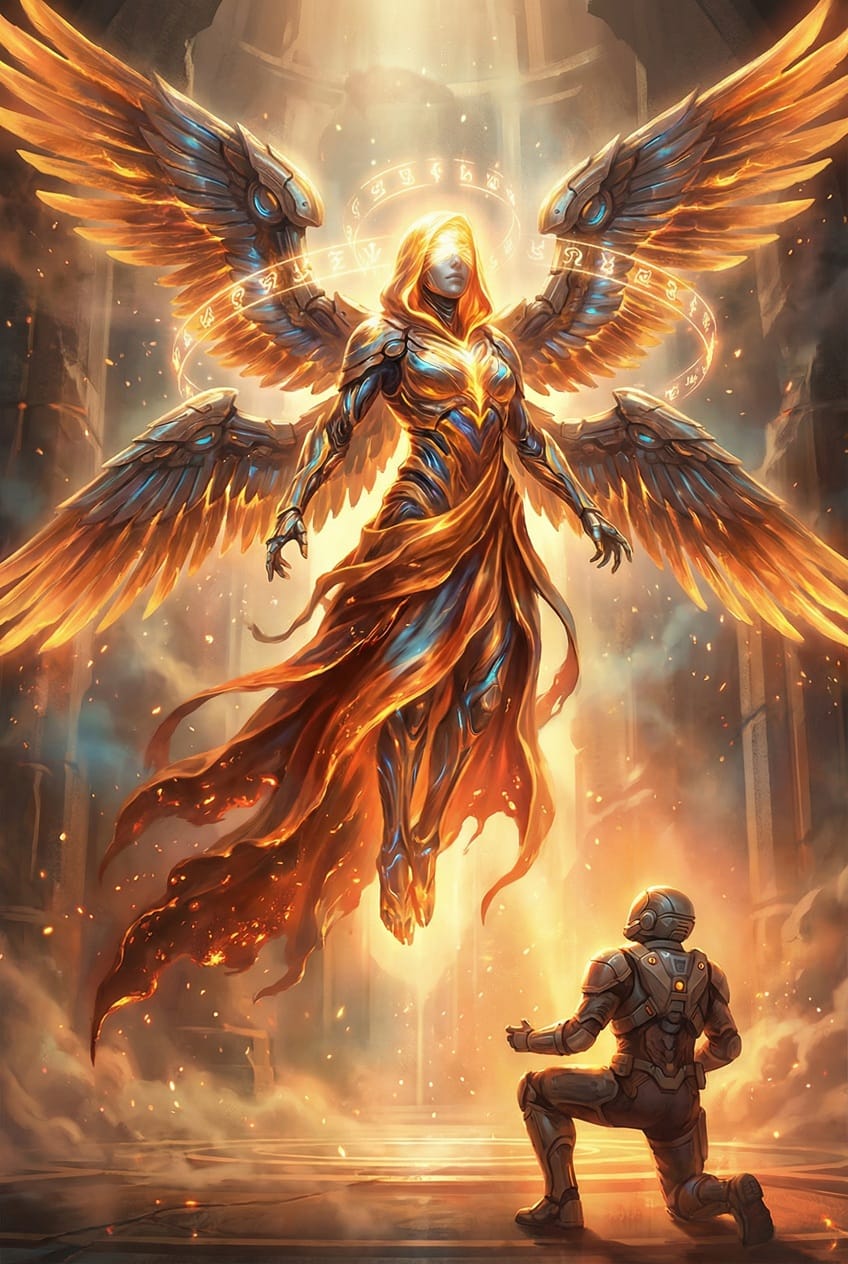
Card Frames
We used Metal Shaders to give the cards real-world material properties.
- Legendary Cards: Have a liquid gold border that reflects the gyroscope movement of your phone.
- Mythic Cards: Have a "broken glass" effect, implying the card is too powerful for the screen to contain.
This aesthetic tells the player immediately: You are not just reading history. You are hacking it.